What Boards Should Know About 40-Year Recertification
When a residential or commercial building in specific counties in the State of Florida – including Miami-Dade and Broward County – celebrates its 40th birthday, it must be recertified by an engineer or architect to ensure its structural and electrical safety. Thereafter, buildings must be recertified every ten years. Here are the basics that boards should know about the recertification process: The Types of Buildings Included Depend on Which County You Live In In Miami-Dade County, 40-year recertifications apply to all buildings except for single-family homes, duplexes, and buildings that have an occupant load of 10 or less and 2,000 square feet or less. In Broward County, it applies to all buildings except single-family homes, duplexes, those less than 3,500 square feet, and U.S. government or Florida state government buildings that are built on Indian reservations. Generally Speaking, the Building Will Receive a Notice When Approaching the 40-Year Mark, but
How a Reserve Study for Your Condo or HOA Can Help You Budget Better
Do you find that your Association constantly has unexpected repair or replacement costs that you don’t have money budgeted for? If so, it may be a good idea for your Board to look into having a reserve study done for your community. A reserve study is a document used to help forecast and budget for the major projects that the community will need to undertake in future years. The things typically included in a reserve study will vary based on the type of community, but in general, they include: Major repair costs Major replacements costs Costs for upgrades or modernizations of common elements The goal of a reserve study is to help determine the life expectancies and the replacement costs of different components of HOAs and condos, and to provide a reliable financial analysis based on the timing and costs of future expenses. Preparing a good budget with adequate reserve
Budget Season 2021-22: New Factors to Consider Post Pandemic and Post Tragedy
Preparing an annual budget is by no means an easy task. Those charged with preparing condominium or HOA budgets will soon begin reviewing costs, gathering data and projecting expenses for the coming year. A well-defined, well-written budget is a powerful financial tool allowing funds to be saved and/or allocated for specific costs and projects; budgeting is a way to estimate expenses and allow for those funds to be available when needed. However, this past year has caused many communities to reflect on the lessons learned from both the ongoing pandemic and how it factors into new cost areas, as well as the recent tragedy with the collapse of the condominium tower in Surfside, Florida. First Things First Budgeting for condo and HOA communities actually involves not one, but two budgets, each covering a specific range of expenditures. Recurring (and more or less predictable) expenses such as taxes, utilities, staff salaries,
Anticipating the Costs of a 40-Year Recertification
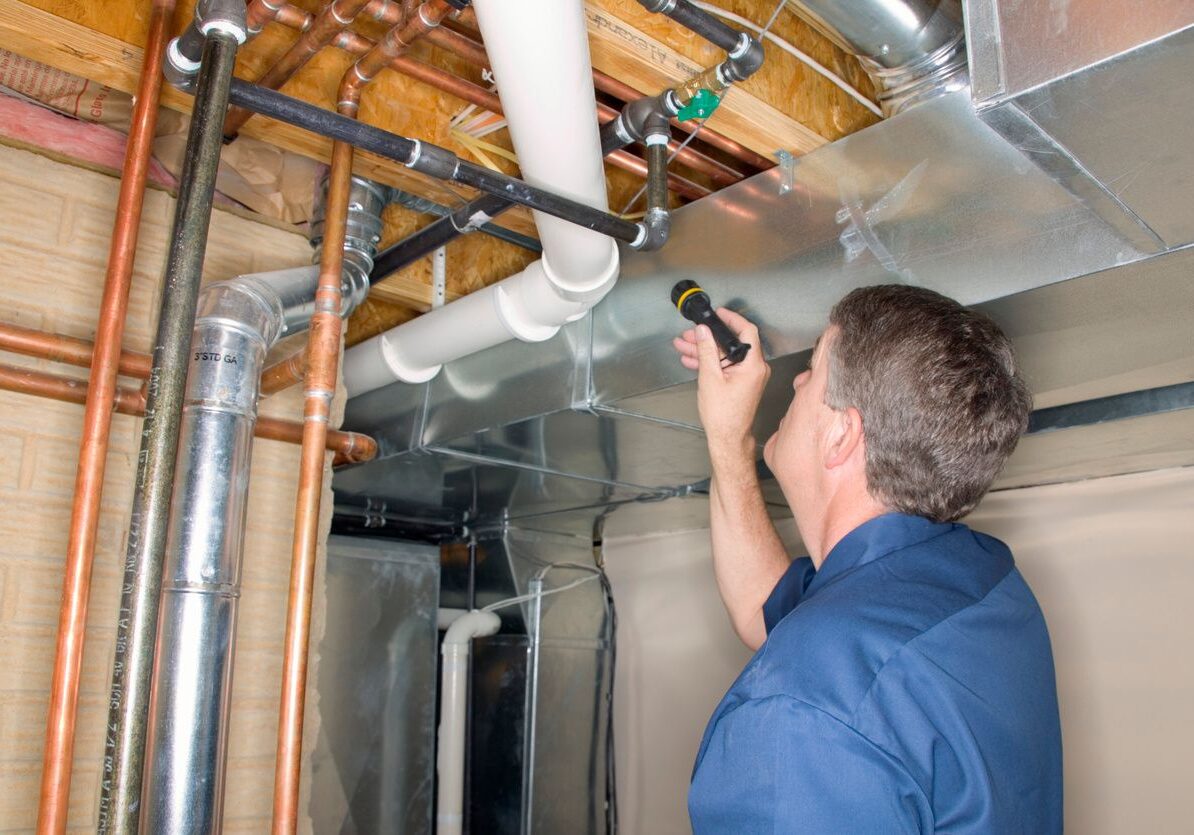
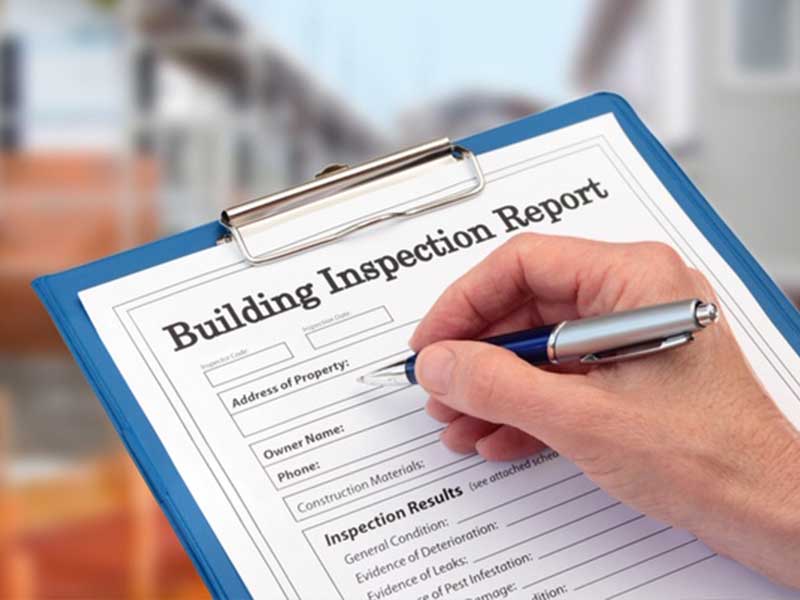
While it’s relatively easy to find a lot of information online to help you understand what a 40-year recertification is, it is much harder to find information about the cost of an inspection. The best way to find out how much a 40-Year Recertification will cost is to – of course – call around and get multiple proposals. A simple search on the internet will yield lots of options of professionals who are available in your area. However, each engineer or architect has their own way of calculating how much they are going to charge you for an inspection. The following are the items that most affect the price of a 40-year building inspection (in order of importance): Size of the building (i.e. number of units) Complexity of the structure Accessibility Size of the Building The size of your building is the factor that most affects the price of a 40-Year Recertification. For example, if

Tapping Reserves in a Time of Financial Hardship or Uncertainty
It’s a question we’re asked all the time: “Can we use reserves to cover an operating fund shortfall?” Under normal circumstances, our standard response would be an emphatic “No!” — because reserves are for major repair and replacement projects. But now, in a time of (inter)national crisis, reserves may play a valuable additional role at your association. In March, our country went into various degrees of ‘lockdown’ to prevent the rapid spread of the COVID-19 pandemic. The resulting rapid spike in unemployment means associations are, or will soon be, experiencing higher than normal assessment delinquencies. With most communities running on tight budgets even in good times, rising owner delinquencies put the short-term financial health of associations at risk. Yes, the roof might still need to be replaced in five years, but management, insurance, and trash bills all need to be paid now. In times like these, reserve contributions and the