



Inflation-Proofing Your Community Association Budget
Community association dues are not fixed, meaning the fees may increase or decrease depending on a variety of variables. An increase in dues doesn’t always happen every year during budget season, but when it happens, homeowners are frequently concerned. While there are many factors that can contribute to an increase in association dues, in some cases, inflation can be blamed. It is crucial to first understand how associations establish monthly dues in order to comprehend how inflation can affect them. Every community association has a board of directors who are in charge of creating the budget. The projected costs for the following year are included in this budget. The board will allocate the whole amount of anticipated expenses from this budget among the local homeowners, including themselves. The annual budget substantially depends on anticipated expenses. The budget increases in tandem with rising costs. Additionally, in an economic landscape like the

What Buyers Are Looking at Before Buying a Home or Unit in Your Community
While it’s a seller’s market right now, homes and condos have been selling at a rapid pace and at record-breaking prices especially throughout Florida markets. However, when a buyer is looking at purchasing a unit or a home in a community association, there are usually several things that they evaluate before making an offer – which could ultimately affect the sales price and the valuation of your property. Here are the things that buyers consider before purchasing a home in a community association: Does Your Community Have Low Reserves? Once a buyer puts a new home in your community under contract, they will receive what is called the resale package, which includes the financials and rules and bylaws for the association. They are then typically granted a set period of time to review this package. Part of the resale package general will include the Financial Statements (balance sheet, bank statements,
What Boards Should Know About 40-Year Recertification
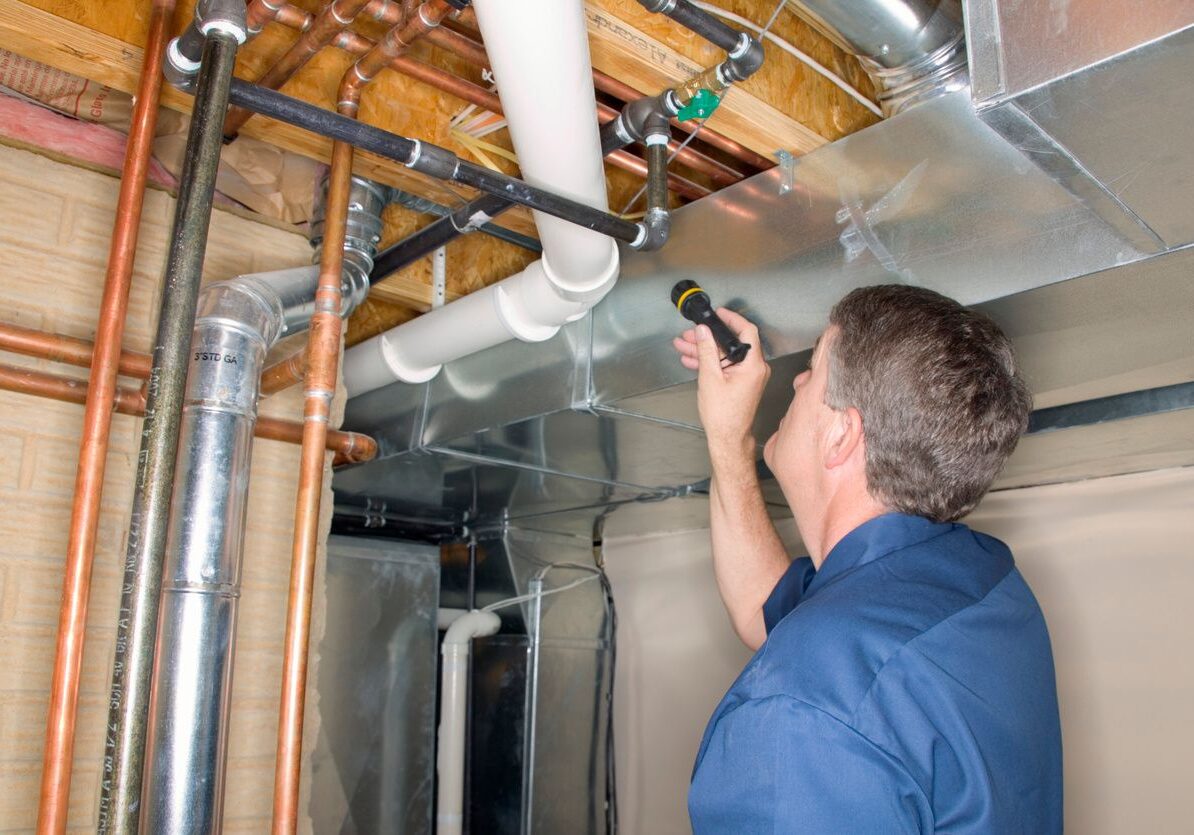
When a residential or commercial building in specific counties in the State of Florida – including Miami-Dade and Broward County – celebrates its 40th birthday, it must be recertified by an engineer or architect to ensure its structural and electrical safety. Thereafter, buildings must be recertified every ten years. Here are the basics that boards should know about the recertification process: The Types of Buildings Included Depend on Which County You Live In In Miami-Dade County, 40-year recertifications apply to all buildings except for single-family homes, duplexes, and buildings that have an occupant load of 10 or less and 2,000 square feet or less. In Broward County, it applies to all buildings except single-family homes, duplexes, those less than 3,500 square feet, and U.S. government or Florida state government buildings that are built on Indian reservations. Generally Speaking, the Building Will Receive a Notice When Approaching the 40-Year Mark, but

How a Reserve Study for Your Condo or HOA Can Help You Budget Better
Do you find that your Association constantly has unexpected repair or replacement costs that you don’t have money budgeted for? If so, it may be a good idea for your Board to look into having a reserve study done for your community. A reserve study is a document used to help forecast and budget for the major projects that the community will need to undertake in future years. The things typically included in a reserve study will vary based on the type of community, but in general, they include: Major repair costs Major replacements costs Costs for upgrades or modernizations of common elements The goal of a reserve study is to help determine the life expectancies and the replacement costs of different components of HOAs and condos, and to provide a reliable financial analysis based on the timing and costs of future expenses. Preparing a good budget with adequate reserve
Anticipating the Costs of a 40-Year Recertification
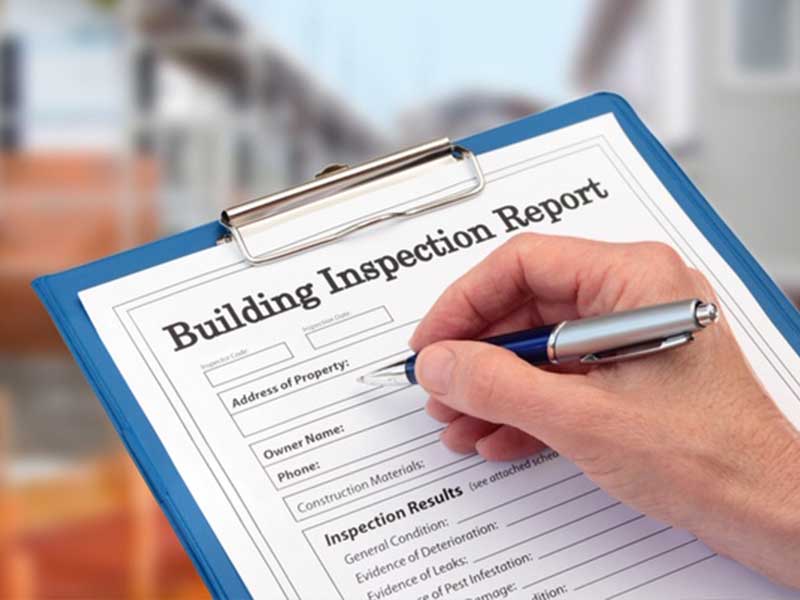
While it’s relatively easy to find a lot of information online to help you understand what a 40-year recertification is, it is much harder to find information about the cost of an inspection. The best way to find out how much a 40-Year Recertification will cost is to – of course – call around and get multiple proposals. A simple search on the internet will yield lots of options of professionals who are available in your area. However, each engineer or architect has their own way of calculating how much they are going to charge you for an inspection. The following are the items that most affect the price of a 40-year building inspection (in order of importance): Size of the building (i.e. number of units) Complexity of the structure Accessibility Size of the Building The size of your building is the factor that most affects the price of a 40-Year Recertification. For example, if