
4 Things to Check Before You Build Next Year’s Budget
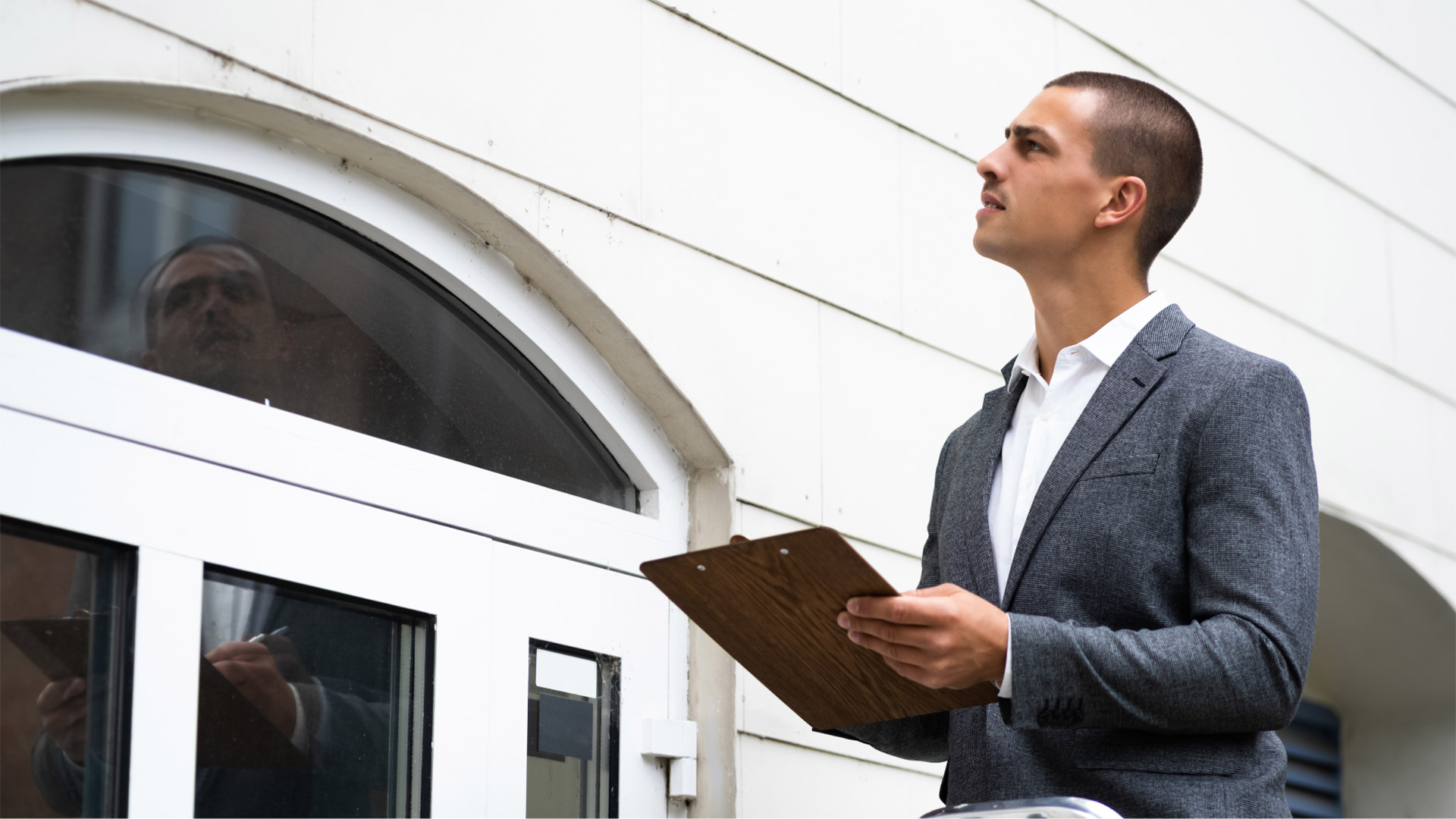
Before a board opens a spreadsheet and starts plugging in numbers, there’s diagnostic work that must happen first about a physical walkthrough, a vendor review, an insurance check, and a reserve reassessment. Skipping straight to the numbers without this groundwork is exactly how boards end up with a budget that looks fine on paper but falls apart by midyear. One term worth clarifying before diving in: Fiduciary duty: The legal obligation that board members must act in the association’s best financial interest, including making sure insurance coverage, reserve funding, and vendor spending are all reasonably managed, not just approved on autopilot. Why Do a Maintenance Walkthrough Before Building the Budget? Because you can’t budget for what you haven’t identified. Before crunching any numbers, walking through the property and asking: Does the roof need attention? Do common areas need repainting? Are residents asking for an amenity to upgrade? Every community has

How Healthy Is Your Community? Driving Wellness Beyond the Sauna
For years, “wellness” in condos, HOAs, and active adult communities has meant one thing: amenities. A gym. A spa. Maybe a sauna or a cold plunge. But according to the panelists on KWPMC’s latest community wellness webinar, that definition is already out of date. “Community wellness isn’t what’s in the building anymore,” said Jorge Larrieu, Director of Sales for KW Property Management & Consulting (KWPMC). “It’s how buildings or communities make our residents’ lives feel – and more attractive.” KWPMC Executive Vice President Zuly Maribona and Partner Alex Martin hosted the live session, How Healthy Is Your Community? Driving Wellness Beyond the Sauna, alongside Kane Sarhan, Co-Founder & CCO of The WELL, and Jorge Larrieu. The conversation covered what wellness programming really means for condo associations and HOAs in 2026 – and, more importantly, how any community, regardless of budget, can build a healthier culture starting today. Wellness Programming Starts

Why Preventative Maintenance Is One of the Most Valuable Investments a Florida Association Can Make
Introduction: Why Preventative Maintenance in Florida Can’t Be Ignored In Florida’s hot, humid, and hurricane-prone environment, preventative maintenance in Florida isn’t just the best practice it’s a critical function for community associations. Condominium and homeowners’ associations (HOAs) must proactively care for their buildings, common areas, and infrastructure to avoid costly surprises and legal headaches. Delaying maintenance might seem like a cost-saving strategy but in Florida, neglect quickly leads to damage. From salt air erosion to mold growth and roof deterioration, the Sunshine State’s conditions are harsh. That’s why more associations are asking, what are preventative maintenance inspections and how can they help us stay ahead? This guide walks through the essential components of a successful preventative maintenance program tailored to Florida, including practical strategies, legal compliance tips, and key reasons why it’s one of the smartest investments a board can make. Key Takeaways: What Every Florida Association Needs to Know
Why Property Management Is One of Florida’s Most Stable & Rewarding Career Paths
Introduction: What Are Property Management Jobs? What are property management jobs? If you’ve ever wondered what goes on behind the scenes in your condo or homeowners’ association, you’ve already brushed up against this important question. Property management professionals are the unsung heroes keeping communities running smoothly. They handle maintenance, enforce rules, communicate with residents, manage budgets, and much more. With Florida’s housing market continuing to expand and shift, many are asking, Is property management a stable and lucrative career? The answer is a resounding yes. Especially in states like Florida, where HOA and condo-governed communities are booming, the demand for qualified professionals is rising rapidly. In this blog, we’ll explore expert advice, practical takeaways, and actionable strategies from industry leaders, all centered around the key question: What are property management jobs? Key Takeaways Property management is recession resilient. Unlike real estate sales, it’s not tied to market cycles. CAM licensing
Brace for Impact
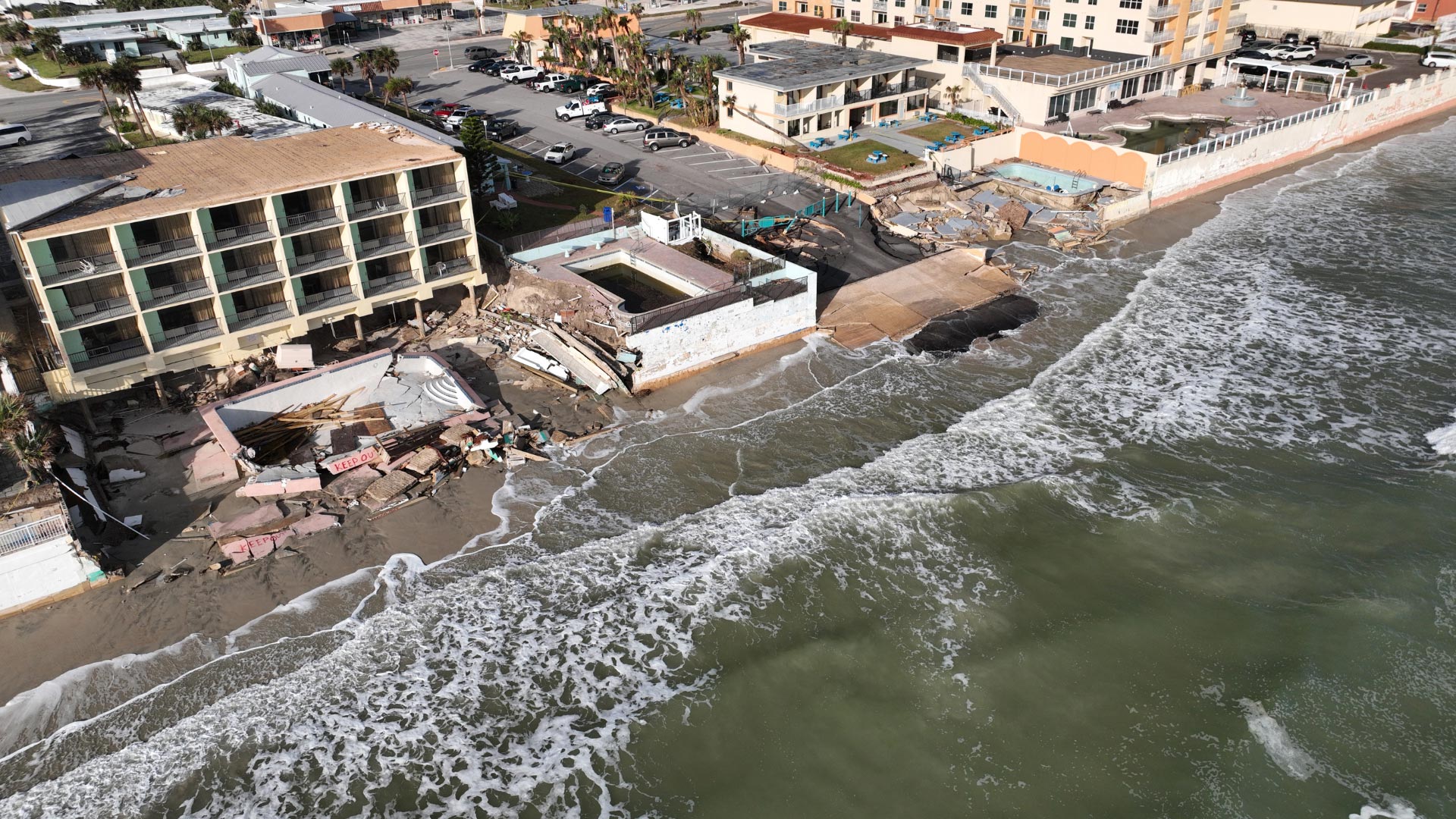
Hurricane Condo Damage: Expert Strategies for Recovery and Preparedness Hurricane condo damage has long-term implications beyond immediate repairs. Associations must prioritize disaster readiness, vendor agreements, and insurance reviews. Technology—drones, cloud storage, communication tools—is revolutionizing disaster recovery. Annual hurricane planning and drills are crucial for resident safety and board readiness. Case studies from recent storms emphasize the importance of early vendor engagement and updated insurance policies. Key Takeaways from the Webinar When hurricane season strikes, Florida’s condo communities face high risks—hurricane condo damage can be devastating, both physically and financially. That’s why proactive disaster preparedness and expert-led recovery strategies are essential. In a recent KW PROPERTY MANAGEMENT & CONSULTING (KWPMC) webinar, industry leaders shared insights into minimizing storm impact and accelerating post-disaster recovery. With a special focus on high-rise condos and HOAs, this post outlines key actions for managing hurricane damage in condo buildings. Why Preparedness Matters for Condo Associations Experts