
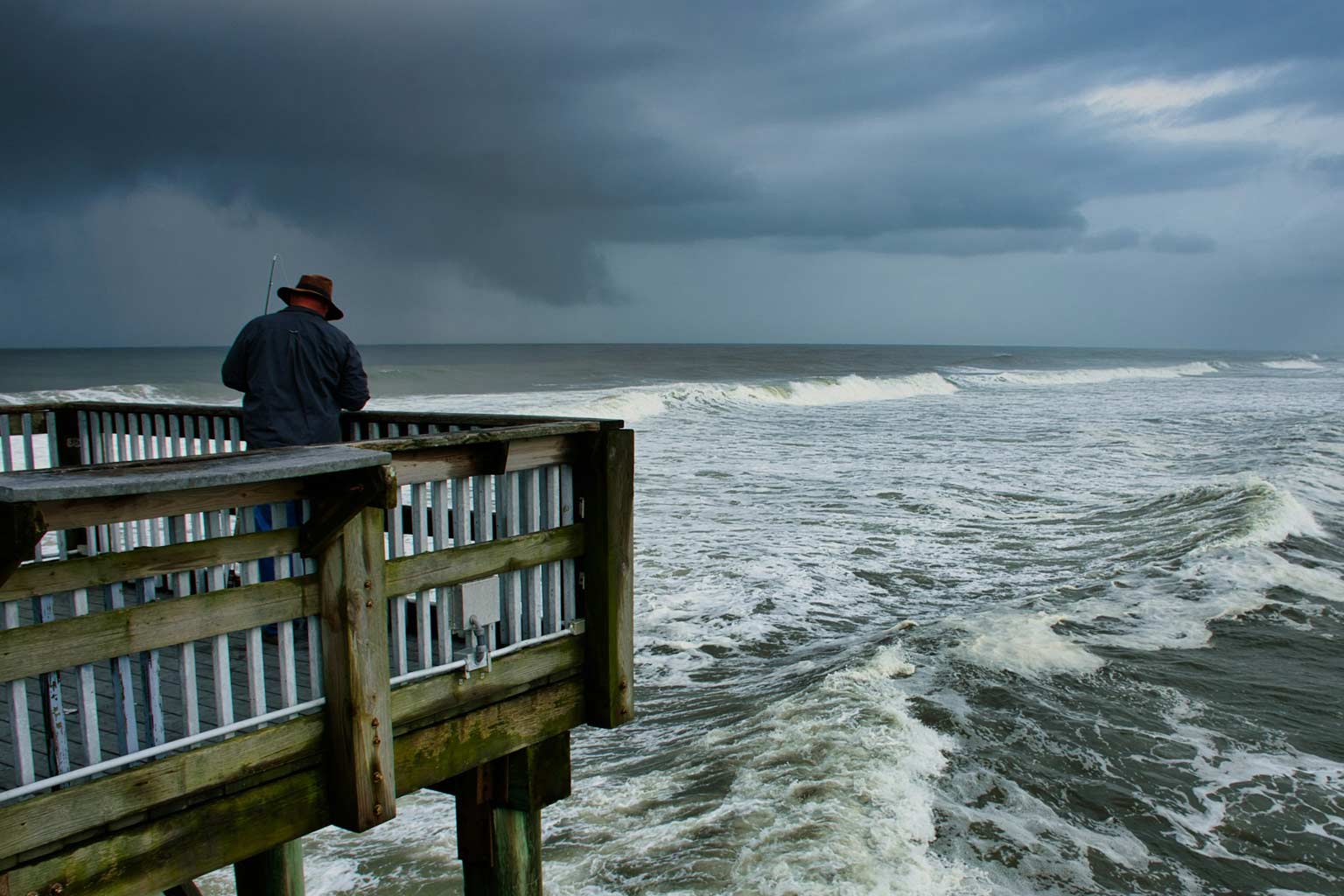
Most don’t, and that’s the risk. Government agencies and private businesses maintain formal disaster response plans as a matter of course. Most condo and HOA boards, by contrast, have no documented plan at all until the night a fire breaks out,; a hurricane makes landfall, or a building system fails, and the board is left improvising decisions that affect hundreds of residents in real time.
A couple of terms worth defining first:
Emergency powers statute: Florida law (F.S. 718.1265 for condominiums, F.S. 720.316 for homeowners’ associations) that grants boards specific authority to act during a declared state of emergency, including access to units, emergency repairs, and certain financial decisions without the usual advance notice requirements.
Disaster response plan: A documented, board- adopted plan defining roles, responsibilities, communication methods, and decision-making authority before, during, and after a disaster.
Why Does a Community Association Need a Formal Emergency Plan?
Because disasters don’t wait for a board meeting. A fire, hurricane, flood, or building failure can displace dozens or hundreds of residents, require immediate repairs, or deplete reserve funds, all within hours. Boards without a plan tend to respond in a disjointed, reactive way precisely when residents most need clear direction. A documented plan turns that chaos into a known process everyone can follow, – which is the whole point of a disaster response plan community association leaders put in place before a crisis, not during one.
What Does Florida Law Say About Board Authority During an Emergency?
Florida grants boards specific emergency powers once a state of emergency is officially declared, and understanding HOA board responsibilities during disaster starts with knowing exactly what those powers cover. Under F.S. 718.1265 (condominiums) and F.S. 720.316 (homeowners’ associations), boards may, among other things, access units to prevent damage, contract for emergency repairs, relocate association funds, and, in certain circumstances, authorize expenditures without the notice period normally required. These powers exist specifically because disasters can’t wait for standard governance timelines, but they don’t override the association’s fiduciary and financial approval processes found in the governing documents, which should still guide how the board acts even under emergency authority.
What Questions Should a Disaster Plan Actually Answer?
Before drafting anything, the board needs clarity on its own role. At minimum, board members should be able to answer:
- What residents expect of the board during and after a disaster
- What each board member’s specific role is when disaster strikes
- Whether the property manager will be available, and what their role is
- What resources (financial, physical, personnel) are available for response and recovery
- How the association’s existing rules and processes affect the response
If the board can’t answer these today, the community isn’t prepared.
What Should Go into the Plan?
A workable plan doesn’t need to be exhaustive; it needs to answer six core questions clearly enough that any board member could act on it under pressure:
- Why is the plan being developed? A brief statement of its purpose and intended outcomes.
- Who is the plan for? Defines responsibilities and who the plan is meant to protect and guide.
- What is the plan? The actual disaster/emergency response procedures themselves.
- When will the plan be activated? The specific circumstances that trigger it.
- Where will residents shelter, and where are emergency supplies (water, flashlights, etc.) located?
- How will board members communicate if they can’t meet in person?
The answers will look different for every community and every disaster type. These six questions are a starting framework, not a rigid checklist.
What Types of Disasters Should the Plan Cover?
- Hurricane
- Flood
- Tornado
- Storm surge
- Fire (structural)
- Building failure or collapse
- Gas or chemical leak
- Elevator or major system failure
Florida communities face a heavier concentration of hurricane and flood risk than most states, which should shape which scenarios get the most detailed planning attention, – and it’s exactly why a serious hurricane preparedness plan condo association boards adopt should weight storm and storm-surge scenarios above the rest.
What Happens After the Plan Is Written?
A plan that sits in a drawer doesn’t help anyone. Once drafted, the board should formally review and adopt it, then train board members on their specific roles under the plan. Just as important: communicate the plan to residents, so the community knows what to expect from the board if disaster strikes. Silence during a crisis erodes trust fast. Review the plan periodically (at minimum annually, and after any major storm season) to keep it current with the community’s actual needs.
How KWPMC Supports Boards with Emergency Preparedness
Disaster response planning touches nearly every part of association management. Insurance coordination, financial authority, vendor relationships, and resident communication all come into play the moment an emergency hits. KWPMC works with boards to build and maintain emergency response plans, coordinate insurance readiness ahead of hurricane season, and provide on-the-ground support when disaster does strike, so the plan isn’t just a document; it’s something the community can execute.
Want to help build or update your community’s emergency response plan before the next storm season? Get a proposal from KWPMC to see how we can help.
Frequently Asked Questions (FAQs)
Q: Does Florida law require HOAs and condo associations to have an emergency plan?
A: Florida law grants boards emergency powers during a declared state of emergency (F.S. 718.1265 for condos, F.S. 720.316 for HOAs) but doesn’t mandate a written disaster plan; it’s a governance best practice, not a legal requirement.
Q: Can a condo board access individual units during a declared emergency?
A: Yes, under F.S. 718.1265, boards have specific authority to access units to prevent or mitigate damage during a declared state of emergency.
Q: What’s the difference between emergency powers and the association’s normal governing process?
A: Emergency powers allow boards to act faster without some standard notice periods during a declared emergency, but they don’t override the fiduciary and financial approval principles in the governing documents.
Q: How often should a community association update its emergency plan?
A: At least annually, and after any major storm season or significant incident, to keep the plan aligned with the community’s current needs and any changes in leadership or property conditions.