Preparing for Storm Season: Best Practices Pre- and Post-Storm
With hurricane season quickly approaching, and as the old saying goes, “chance favors the prepared.” Hurricane season starts on June 1st and extends through November 30th. Here are some tips to help prepare your 2023 hurricane preparedness guide, as well as provide actions that you can take before a hurricane makes landfall. The time is now to prepare your community for every possibility! First Things First: Make sure that you and your board members know when to sound the alarm. Brush up on your “hurricane terms”: Hurricane Watch – This is a first notice and means that the eye of a hurricane may threaten within thirty-six (36) hours. Preparations should begin for coping with storm impacts and possible evacuation, if necessary. Hurricane Warning – This warning indicates that the dangerous effects of a hurricane are expected in a specified area within 24 hours or less. Storm Surge – This is
Lessons Learned From Hurricane Ian & Previous Storms
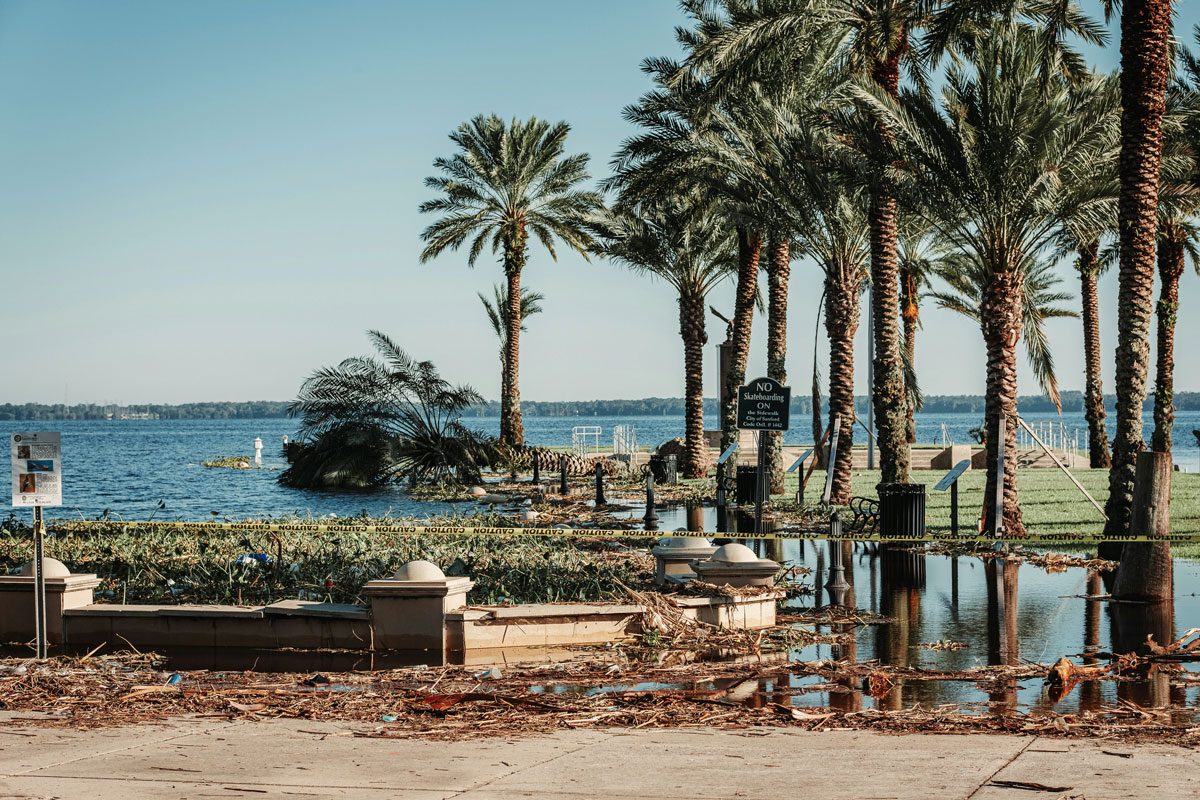
Article Provided By Becker Law, Shareholder Joseph E. Adams Unfortunately, Hurricane Ian was a historic storm that left a wide and substantial swath of damage across Southwest Florida. Here are a few important lessons learned, post-Ian as we move into the coming hurricane season: Flood Damage: A significant part of Ian’s damage resulted from rising water, which is generally and generically referred to as “flood damage”. It is very important to note that flood insurance and processing flood insurance claims is covered by federal law, not Florida law. Among the notable differences, federal law requires that a “Proof of Loss” be filed for flood claims within 60 days, and the statute of limitations under flood policies is one year. Disaster Recovery Contractors: There are a number of large national companies, as well as others, who employ large crews of “storm chasers”, and arrive at disaster sites to shore up the
Sea Level Rise Means More Flooding On The Horizon For Coastal Cities
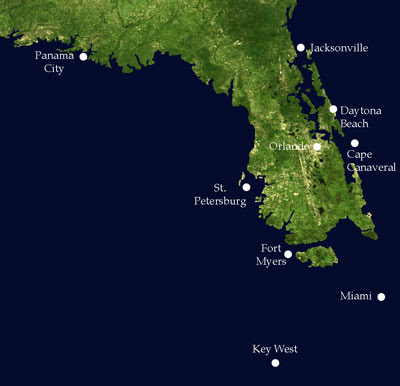
The topic of sea level rise is being discussed in coastal cities across America. While there are certainly controversies about how fast and how much the sea level will rise, it is indisputable that the sea level is rising and impacting associations and their action plans as it relates to their residents’ property. Individual homeowners in cities like Miami, Florida and Honolulu, Hawaii, are beginning to ask questions like: Will rising water impact my asset? When should I expect the arrival of rising waters? Is there anything I can do to prevent damage to my property and protect it? How can I insure my assets sufficiently in the event of damage or loss as it relates to sea level rise? Condominium and HOA board members in these cities are also asking questions such as: How can we best prepare our community for sea level rise? What are the short and
Disaster Preparedness In An Inflation Cycle
Article Provided By Brad Baecht and Carolina Serrano By Brad Baecht and Carolina Serrano Community associations and their managers have become quite familiar with supply chain issues over the past few years, adapting by forward-purchasing disaster preparation and emergency supplies to ensure necessary items arrive on time. These days, inflation is adding even more urgency by driving up costs for everything from individual food items to gasoline and generators. Proactive communication with association boards has never been more important. When adding structural repairs and reserve thresholds to comply with new laws enacted in Florida (and likely other coastal states in the future) following the Surfside tragedy, planning and budgeting for disaster preparedness is a major challenge for community associations and managers. From luxury high-rises to sprawling single-family HOAs, qualified reserve specialists are conducting fresh reserve studies. These studies incorporate inflation into replacement cost calculations, also accounting for fluctuations in labor
Miya’s Law: Landlords Have New Safety Requirements to Meet Under Florida Rental Unit Legislation
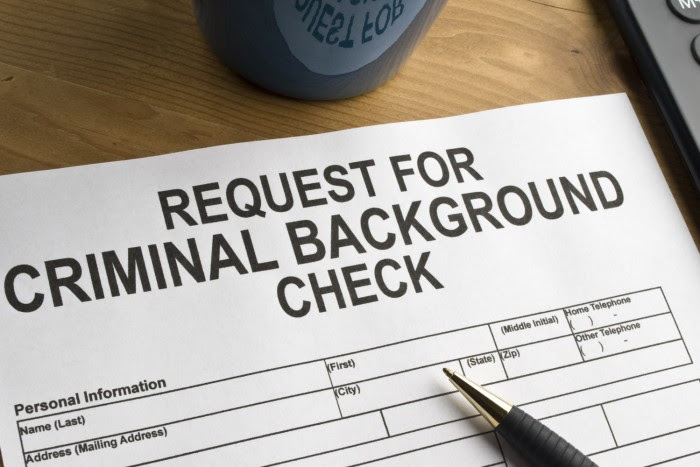
Article Provided By Melea VanOstrand Real Estate Reporter Daily Business Review Here’s what Florida landlords and their attorneys need to know to stay in compliance with Miya’s Law, named after an Orlando student who was killed in her apartment in 2021 by a maintenance worker. Florida Gov. Ron DeSantis has signed a bill aimed at making residential tenants safer by requiring background checks for prospective employees, maintaining a detailed key log and increasing notification requirements for maintenance and repairs. Senate Bill 898, known as “Miya’s Law”, is named after Miya Marcano, an Orlando student who was killed in her apartment in 2021 by a maintenance worker who entered her unit with a key fob. “Every tenant deserves to be safe in their own home,” said DeSantis in a press release. “By signing this legislation, we are making it safer to live in a rental unit and giving renters more peace