For years, “wellness” in condos, HOAs, and active adult communities has meant one thing: amenities. A gym. A spa. Maybe a sauna or a cold plunge. But according to the panelists on KWPMC’s latest community wellness webinar, that definition is already out of date.
“Community wellness isn’t what’s in the building anymore,” said Jorge Larrieu, Director of Sales for KW Property Management & Consulting (KWPMC). “It’s how buildings or communities make our residents’ lives feel – and more attractive.”
KWPMC Executive Vice President Zuly Maribona and Partner Alex Martin hosted the live session, How Healthy Is Your Community? Driving Wellness Beyond the Sauna, alongside Kane Sarhan, Co-Founder & CCO of The WELL, and Jorge Larrieu. The conversation covered what wellness programming really means for condo associations and HOAs in 2026 – and, more importantly, how any community, regardless of budget, can build a healthier culture starting today.
Wellness Programming Starts With Community, Not Construction
If there’s one idea that shaped the entire discussion, it’s this: amenities are the hardware, but community is the software that brings them to life.
“There are very basic things that really matter,” Kane Sarhan explained. “How they move their body. The food that they eat. Their sense of safety and security. But none of those things matter if the fourth one isn’t met – which is community. We’re tribal beings… the foundation and the baseline of wellness is community.”
That reframing matters for boards and managers evaluating resident engagement strategies. A brand-new fitness center or cold plunge pool can sit unused if there’s no programming, no invitation, and no sense of belonging attached to it. As Sarhan put it, hardware “needs software to program it… or it becomes something that just collects dust.”
For HOA and condo association leaders, that’s an encouraging message: you don’t need a seven-figure renovation to move the needle on resident wellbeing. You need people who feel connected to where they live.
What the Live Poll Revealed About Community Wellness Programming
During the session, attendees answered two quick polls that offered a real snapshot of where communities stand today:
- 60% of attendees said their community hosts resident wellness events or programming weekly, while 40% said only a few times a year.
- 50% of communities have a resident-led wellness, social, or lifestyle committee; 33% do not, and 17% weren’t sure.
The takeaway? Most communities already have some wellness activity in motion – the opportunity is in building structure and consistency around it, not starting from zero.
Three Free Habits Every Community Can Promote This Week
One of the most practical moments of the webinar came when Kane Sarhan offered three simple, no-cost habits residents can start immediately:
- Hydrate first thing. Drink 16–20 ounces of room-temperature water as soon as you wake up – before coffee, before your phone.
- Walk after meals. Even five minutes of movement after a big meal supports metabolism and energy.
- Reconnect intentionally. Call someone you appreciate and simply tell them so.
These aren’t just individual wellness tips – they’re the kind of low-lift content that lifestyle directors, social committees, and property managers can turn into a newsletter feature, a flyer in the mail room, or a talking point at the next board meeting.
Low-Cost and No-Cost Wellness Initiatives for Any Community
A recurring question from attendees was some version of: What if our building doesn’t have the budget or the amenities for a wellness program? Jorge Larrieu’s answer was direct: “You don’t need a bigger budget to build a healthier community. You just need a reason for people to show up – and want to show up more than once.”
Ideas the panel highlighted for communities at any budget level include:
- Resident-led walking groups using a mapped trail loop – even one that extends into the surrounding neighborhood.
- Local expert workshops on topics like nutrition or stress management.
- A water filtration station in a lobby or common area.
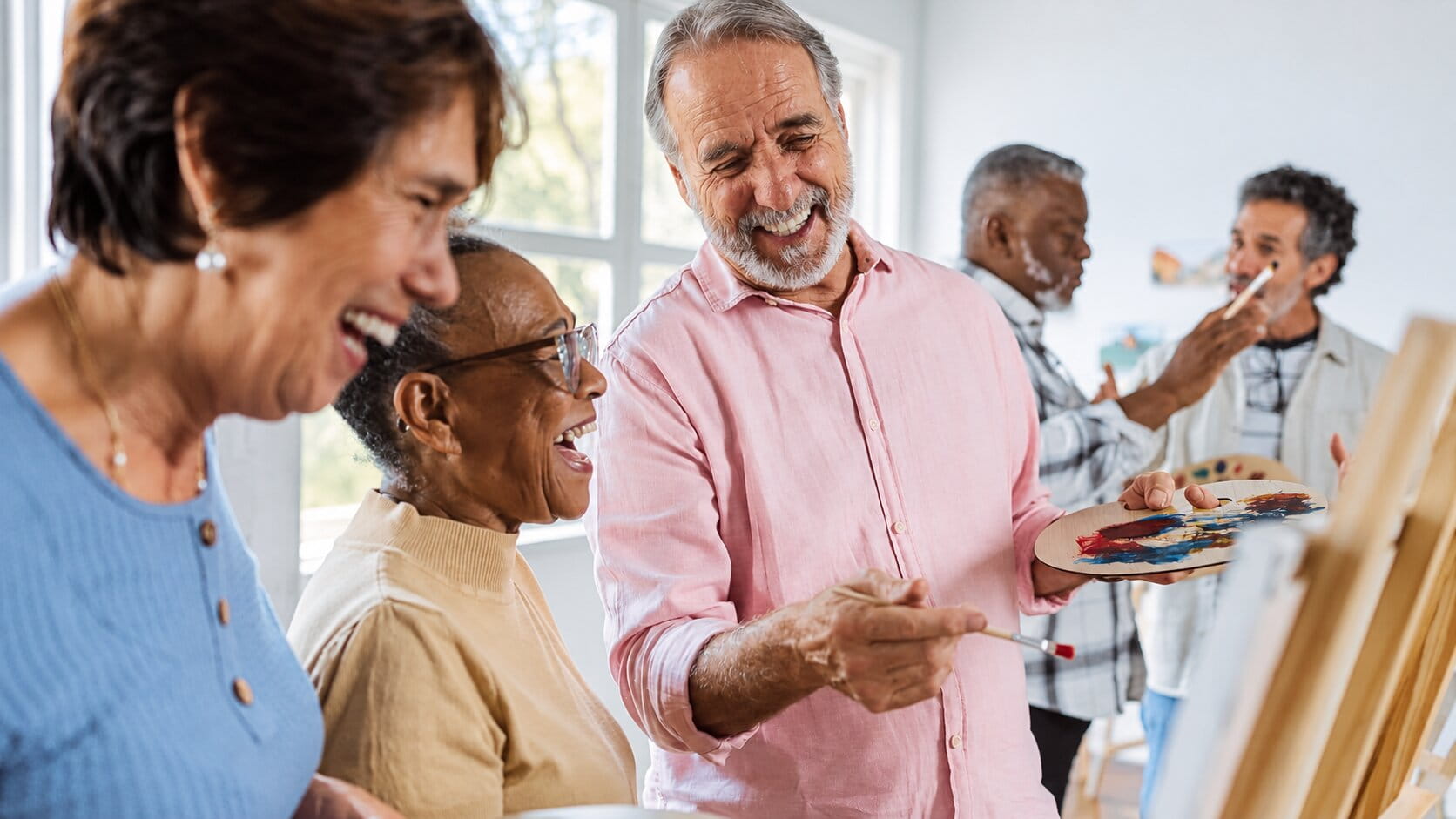
- A small community garden, even a modest one, as a way to build connection over a shared activity.
- Resident sports or social leagues – pickleball, tennis, and golf leagues were all mentioned as easy ways
to create a sense of belonging. - Farm-to-table events or local farmers markets, which several KWPMC-managed HOAs have already introduced with the help of their management teams.
Kane Sarhan also pointed to a lesson from The WELL’s own properties: many “wellness upgrades” cost nothing extra at all. “The next time you need to paint the corridors, pick the low-VOC option” he said. “Green cleaning products and regular cleaning products are basically the same cost now – make the switch.” Small, near-free decisions, made consistently, add up to a noticeably healthier environment.
Building Wellness Into Operations, Not Just Programming
For communities considering more significant wellness investments, both Larrieu and Sarhan emphasized bringing property management into the conversation early. Wellness features like water systems, air filtration, or spa-style amenities come with ongoing operating costs and maintenance standards that need to be understood and budgeted for well before residents ever see them.
“It’s bringing management in early,” Larrieu said, “understanding what those standards are, so that once turnover happens, it’s all baked into our budgets, and there aren’t any surprises.” Without that step, even well-intentioned wellness features risk becoming underfunded line items that quietly fade – the opposite of what boards and residents actually want.
Frequently Asked Questions (FAQs)
Q: What does “community wellness” actually mean?
A: It’s broader than gyms, pools, or spas. As the panelists put it, wellness is measured by how residents feel – whether they know their neighbors, feel welcome, and have a reason to leave their unit – not just what’s installed at the property.
Q: Do we need a big budget to start a wellness program?
A: No. As Jorge Larrieu noted, “You don’t need a bigger budget to build a healthier community. You just need a reason for people to show up.” Resident-led walking groups, a lobby water filtration station, or a small community garden all cost little to nothing.
Q: What are some low-cost or no-cost wellness initiatives we can start right away?
A: Panelists pointed to resident-led walking groups on a mapped trail loop, local expert workshops on nutrition or stress management, a water filtration station, a small community garden, and resident sports or social leagues like pickleball, tennis, or golf.
Q: How do we build wellness into our budget without surprises later?
A: Bring property management into the conversation early. Understanding ongoing maintenance standards and operating costs before rollout – not after – ensures wellness features are fully budgeted at turnover instead of becoming an underfunded line item down the road.
Q: Can small operational changes make a difference, or do we need new amenities?
A: Small changes count. Kane Sarhan pointed out that many communities can switch to low-VOC paint or green cleaning products at little to no added cost – decisions that quietly improve air quality and resident wellbeing without a capital project.
Q: Who should own wellness programming in a community?
A: It varies by association, but the panel agreed it works best when there’s a clear owner – whether that’s a board liaison, a lifestyle director, or a resident-led committee – so programming has structure and doesn’t rely on one volunteer to keep it going.
The Real Definition of Community Wellness
As the session closed, Zuly Maribona offered the line that best summarized an hour of conversation: “Wellness is beyond the amenity or the program… it’s woven into how we live, how we connect, how we dine, and how we learn.”
That’s the shift happening across the industry right now. Wellness isn’t a checkbox or a capital project – it’s a culture that boards, managers, and residents build together, one small, intentional decision at a time.
Looking to bring more wellness programming into your community?
KWPMC’s team works with associations across Florida and beyond to design initiatives that fit your community’s budget, amenities, and residents – no sauna required. Reach out to your KWPMC representative to start the conversation.